 AmaZulu FC Hub
Recent Tactical Trends
As AmaZulu FC navigates the demanding landscape of the Betway Premiership, their recent performances have illustrated both promise and areas in need of refinement. Over the past few matches, Usuthu has exhibited an attacking intent, often pressing high up the pitch and relying on quick transitions. However, this aggressive approach has occasionally left gaps in their defensive setup, leading to vulnerabilities during counter-attacks from opponents.
Formation and Player Roles
Currently, AmaZulu has favored a 4-2-3-1 formation, which offers a solid base defensively while allowing for dynamic attacking plays. However, tweaking this formation to a more flexible 4-3-3 could provide additional support in midfield, allowing for better ball control and distribution. This adjustment would enable the likes of Bongi Ntuli and Siyethemba Sithebe to operate more freely, creating spaces and drawing defenders out of position.
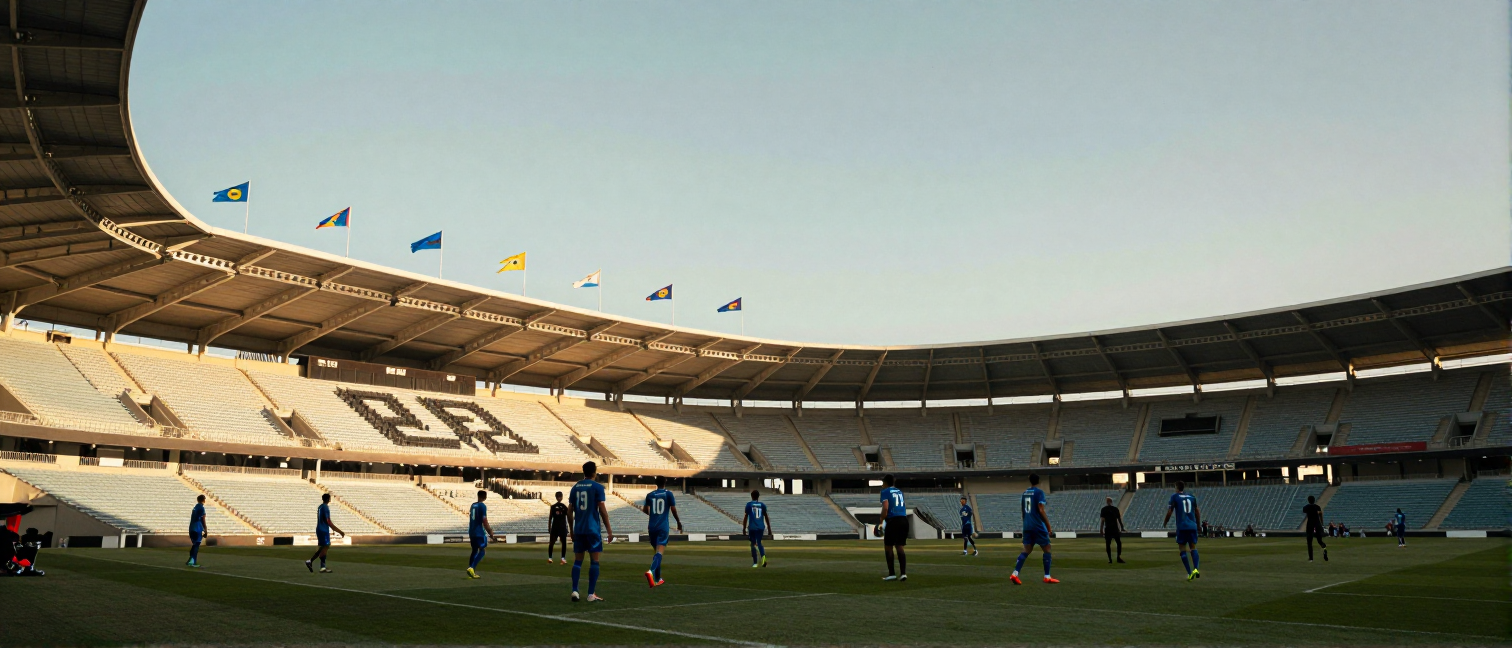
In a 4-3-3 setup, the midfield trio could consist of a defensive anchor alongside two box-to-box midfielders, enhancing both defensive stability and offensive support. This would also give AmaZulu the ability to transition quickly between defense and attack, utilizing the pace of their wingers, particularly in the wide areas of Moses Mabhida Stadium where the fans can truly rally behind the team.
Defensive Cohesion and Transition
One of the key areas for AmaZulu to focus on is the cohesion within their defensive line. The partnership between the centre-backs has shown potential, but communication must be tightened to avoid confusion during set-pieces and transitions. Encouraging the full-backs to maintain a more disciplined position when the team is in an attacking phase could prevent opposition wingers from exploiting the wide spaces left open during attacks.
Moreover, implementing a zonal marking system for set pieces might help reduce the chances of conceding from corners or free-kicks. Given the physicality of opposing teams in the league, this could be a vital area of improvement as Usuthu strives to maintain a strong home record at Moses Mabhida Stadium.
Tactical Flexibility
Another essential aspect of AmaZulu's tactical adjustments is the importance of flexibility during matches. The coaching staff should encourage players to adapt their roles based on the flow of the game. For instance, during moments when the opposition dominates possession, shifting to a more compact 4-4-2 could provide additional defensive security and limit the chances created by the opposition.
Conversely, when in a leading position, switching to a more defensive formation such as 5-4-1 could not only preserve a lead but also reduce the risk of unnecessary counter-attacks that have plagued them recently. This tactical fluidity would not only keep opponents guessing but also instill confidence in Usuthu’s ability to manage different match situations effectively.
Conclusion: Embracing Tactical Evolution
As AmaZulu FC continues to strive for success in the Betway Premiership, embracing tactical evolution will be crucial. By making strategic adjustments to their formation and emphasizing defensive cohesion, Usuthu can work towards achieving the consistency that fans expect. The potential for success is within reach; it’s now about implementing these tweaks and ensuring that every player is aligned with the tactical vision laid out by the coaching staff.