 AmaZulu FC Hub
In the world of South African football, few moments resonate as deeply as the triumph of AmaZulu FC in 1998 when they clinched the Coca-Cola Cup, a victory that would forever be etched in the annals of the club's history. This was a defining season for Usuthu, a team that had faced its fair share of challenges and disappointments in the preceding years but emerged stronger and more determined than ever.
The 1998 victory was not just about the trophy; it was a symbol of resilience for a club that had been striving to reclaim its place among the elite in South African football. After a dry spell of more than a decade without a major title, the success ignited a sense of belief among players and supporters alike. It rejuvenated the fanbase, who had remained loyal through tough times, and served as a catalyst for an era of renewed hope and ambition.
Under the guidance of then-coach, the teams' tactical approach was a blend of gritty defense and fluid attacking play, showcasing the talents of players who would go on to become legends in their own right. The likes of Dumisani Ngwenya and the remarkable Mlamli Konco were instrumental in driving the team forward. They not only scored crucial goals but also embodied the fighting spirit that AmaZulu FC is known for.
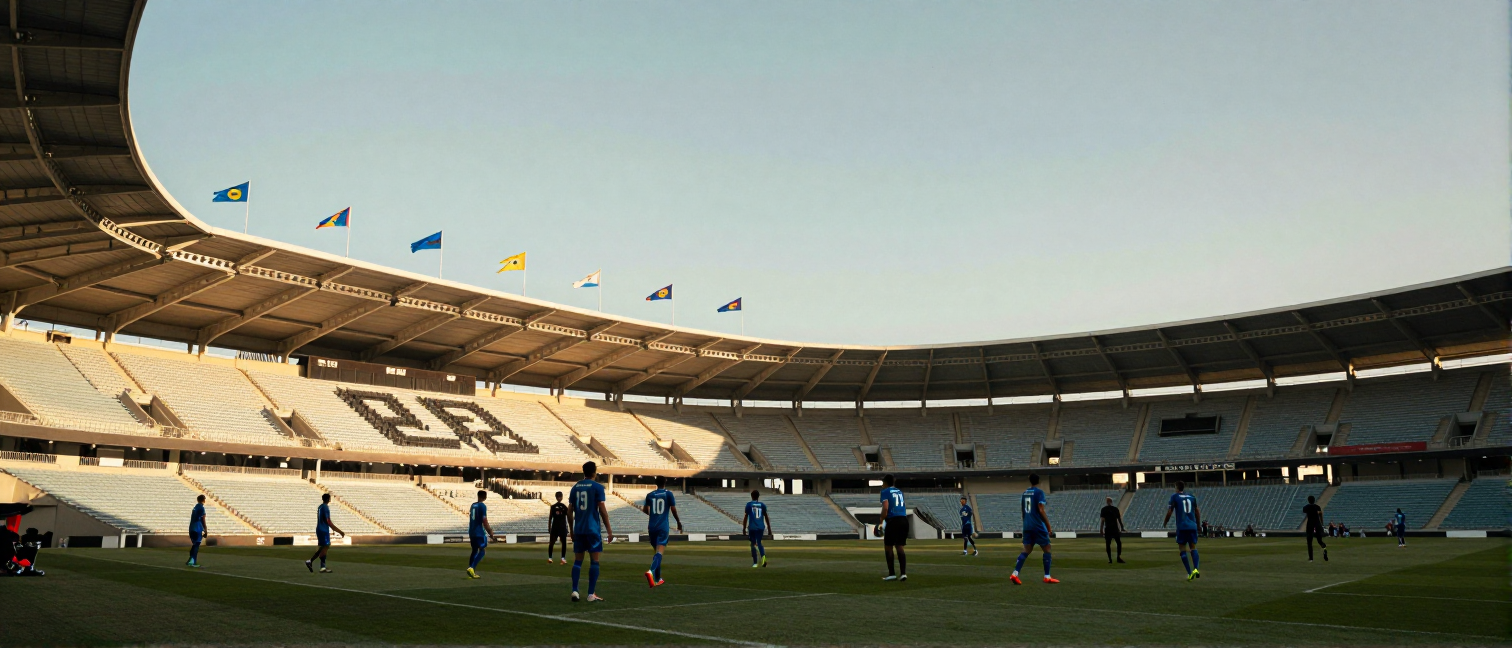
The final match of the season became an unforgettable spectacle at Moses Mabhida Stadium, with thousands of Usuthu fans filling the stands, passionately chanting and waving their flags. It was a moment of unity, where the players and supporters came together as one, forging an unbreakable bond that would last for generations. The electric atmosphere was palpable as the whistle blew, signaling the end of the match and the beginning of a new chapter in the club's storied history.
Winning the league title in 1998 also marked an important shift in AmaZulu's standing in South African football. The team began to attract more attention from sponsors and fans alike, which in turn helped in scouting and developing new talent. This victory laid the groundwork for future successes, as the club embraced a philosophy of nurturing young players while maintaining the competitive edge necessary to succeed.
In retrospect, the 1998 league title was more than just a trophy; it was a testament to the enduring spirit of AmaZulu FC, a club that has always thrived on the support of its passionate fanbase. As Usuthu continues to navigate the challenges of the modern game, the echoes of that glorious season remind everyone associated with the club of what can be achieved through perseverance, unity, and an unwavering love for the beautiful game.
As we look ahead, it is crucial for today's players and staff to draw inspiration from that landmark season. The legacy of AmaZulu FC's 1998 triumph is a powerful reminder that while the present may be fraught with challenges, the spirit of Usuthu—rooted in rich history and community support—will always guide the club toward future glories.